Do You Need an Electrical Panel Upgrade? Warning Signs Colorado Homeowners Ignore

January 29, 2026

Electrical panels are the heart of any home’s electrical system, distributing power safely to every outlet, light fixture, and appliance. Despite their critical role, many homeowners overlook the condition of their panels, often unaware that outdated or overburdened systems can pose serious safety risks. In Colorado, where older homes are common and energy demands continue to rise, recognizing the need for an electrical panel upgrade is more important than ever. Modern households rely on multiple high-powered devices simultaneously, from kitchen appliances to electric vehicles, and a failing panel can struggle to meet these demands, resulting in inefficiency, frequent outages, or even fire hazards. Homeowners may also underestimate how lifestyle changes, such as working from home or installing smart home devices, increase the strain on older electrical systems, making upgrades essential for long-term reliability.


Many warning signs of a failing electrical panel are subtle, often mistaken for minor inconveniences. Flickering lights, frequent breaker trips, or unusual buzzing sounds may seem like everyday electrical quirks, but they could signal a deeper problem. Ignoring these red flags can compromise your family’s safety, reduce energy efficiency, and lead to costly emergency repairs. By understanding the signs that indicate your panel may need an upgrade, homeowners can take proactive steps to safeguard their property, improve performance, and ensure their electrical system is equipped for current and future demands. Early intervention not only prevents emergency situations but also extends the life of your home’s electrical infrastructure and prepares it for future technological needs. This guide will help Colorado homeowners identify the critical indicators and take informed action.

Understanding Electrical Panels and Their Function

What Is an Electrical Panel?

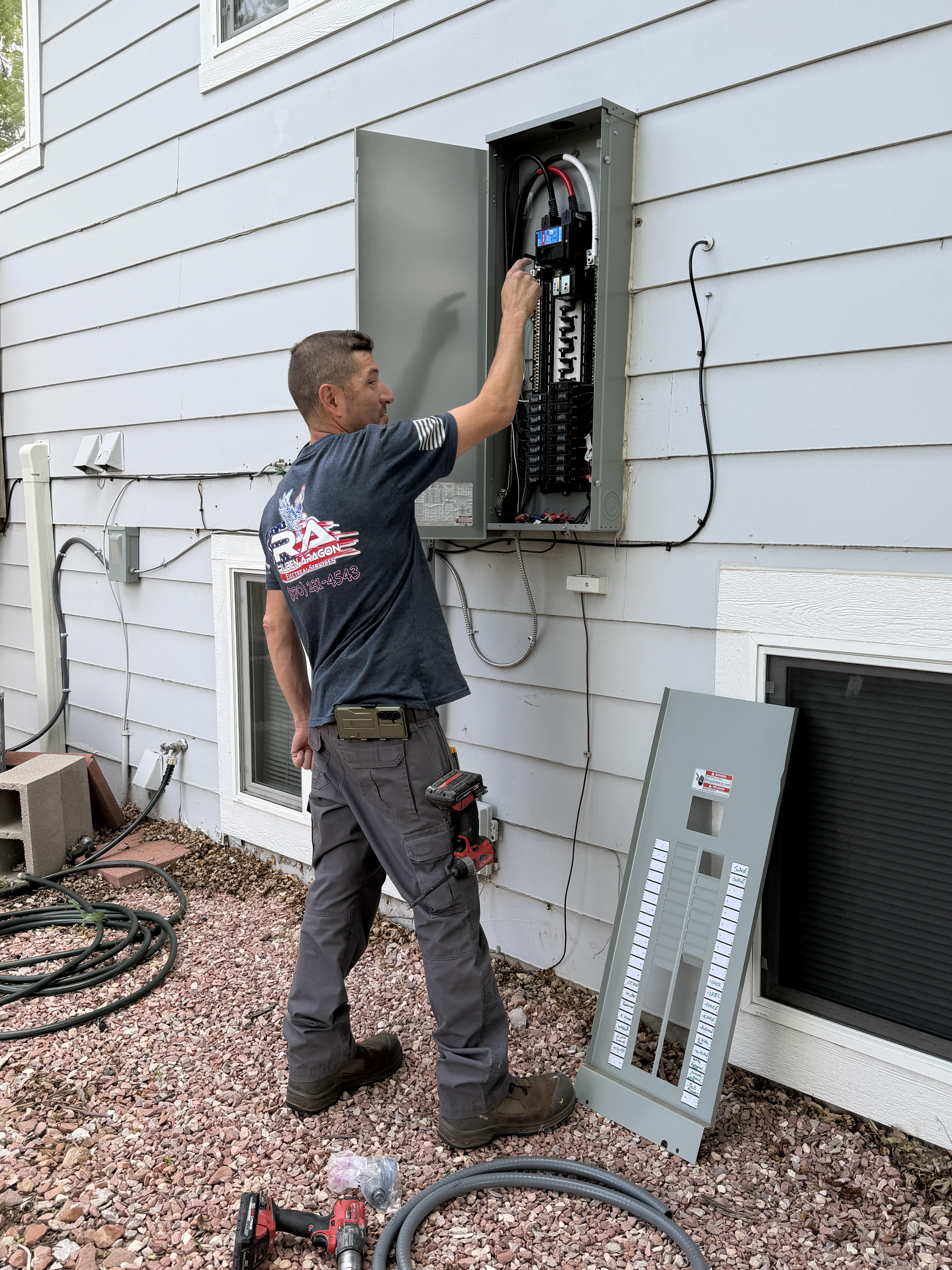
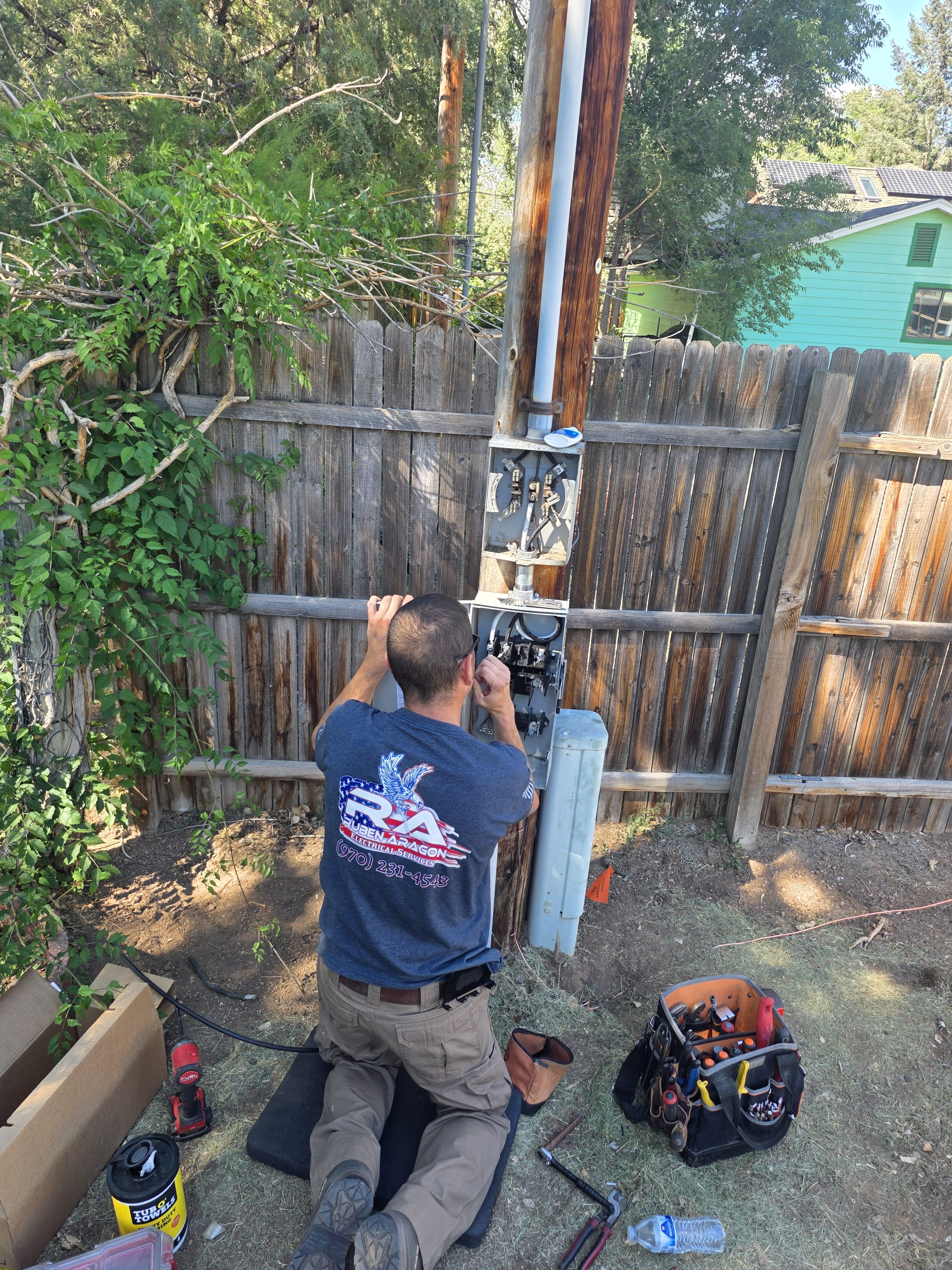
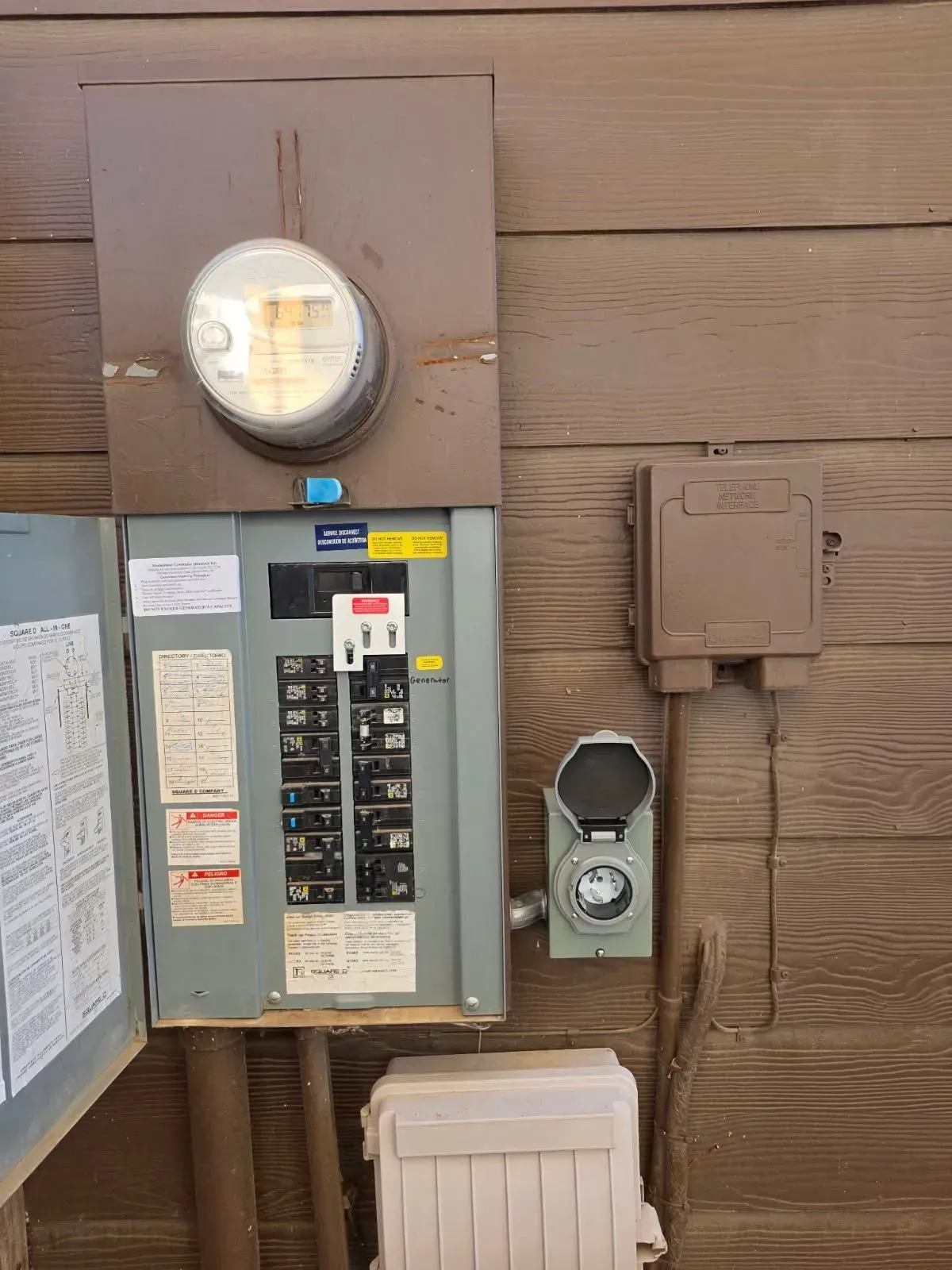
An electrical panel, also known as a breaker panel or service panel, serves as the central hub of a home’s electrical system. It receives electricity from the utility provider and distributes it through circuits to various parts of the house. Each circuit has a breaker that protects against overloads or short circuits by automatically shutting off power when necessary. Panels vary in capacity, typically measured in amperage, with older homes often featuring 60- or 100-amp panels, while modern households commonly require 150 to 200 amps or more.

Why Panels Become Outdated

Electrical panels are not designed to last indefinitely. Over time, wear and tear, outdated technology, and increased energy demands can compromise their effectiveness. Homes built decades ago were not designed to handle today’s high-powered appliances, HVAC systems, smart home devices, and EV chargers. Components can corrode, wires can degrade, and breakers may lose sensitivity, creating risks of electrical failure. Understanding the limitations of your current panel is crucial to determining whether an upgrade is necessary.

Real-World Scenario

Consider a Colorado family living in a 1970s home with a 60-amp panel. As they added modern appliances, such as a high-capacity oven, home office equipment, and a new HVAC system, they began experiencing frequent breaker trips. This scenario demonstrates how even a well-maintained panel may fail to meet evolving energy needs. Regular inspection and awareness of panel capacity can prevent disruptions and enhance home safety.

Warning Signs You Shouldn’t Ignore

  • Frequent Breaker Trips

    One of the most common indicators that your electrical panel is struggling is frequent breaker trips. Breakers are designed to prevent overloads, but if they trip repeatedly, it may signal that your panel cannot handle the household’s electrical load.


    Example: A homeowner runs the dishwasher and microwave simultaneously, and the kitchen circuit trips. Repeated occurrences across multiple circuits suggest a panel upgrade is necessary.

  • Flickering or Dimming Lights

    Lights that flicker or dim when appliances turn on can indicate an overloaded panel or deteriorating wiring. While minor voltage fluctuations can be harmless, consistent flickering requires attention.


    Best Practice: Track when and where flickering occurs to identify overloaded circuits. This information helps electricians recommend appropriate upgrades.

  • Buzzing or Burning Smells

    Electrical panels that emit unusual buzzing, crackling, or burning odors may indicate a serious hazard, such as loose connections, worn components, or overheating circuits. Ignoring these signs can lead to electrical fires.

  • Warm or Corroded Panels

    A panel that feels warm to the touch or shows visible corrosion is another warning sign. Heat often results from overloaded circuits, while corrosion can interfere with connections and reduce breaker effectiveness.

  • Outdated Panel Model

    Certain panel brands, such as Federal Pacific or Zinsco, are prone to failure and may not meet current safety standards. Recognizing the model of your panel can inform whether replacement is necessary for safety and code compliance.

Benefits of Upgrading Your Electrical Panel

Enhanced Electrical Capacity

A panel upgrade increases your home’s amperage capacity, allowing simultaneous use of multiple high-powered devices without tripping breakers. This is especially important for homes adding electric vehicles, modern kitchens, or HVAC systems.

Compliance with Electrical Codes

Older panels may not comply with current National Electrical Code (NEC) standards, which evolve to incorporate safety and technological advances. Upgrading ensures your home meets regulations, which can be crucial for insurance coverage or resale.

Improved Home Value

An upgraded electrical panel is a selling point for prospective buyers. It signals that the home’s electrical system is safe, efficient, and capable of supporting modern energy demands, enhancing overall property value.


Real-World Example: A Denver homeowner upgraded a 100-amp panel to 200 amps to accommodate an EV charger and home office equipment. Post-upgrade, breaker trips ceased, and the family reported improved appliance performance and peace of mind.

Challenges and Considerations

  • Cost and Planning

    Electrical panel upgrades require upfront investment, which varies based on amperage, panel type, and complexity of the home’s wiring. However, the cost is often offset by enhanced safety and efficiency.

  • Permits and Code Compliance

    Panel upgrades typically require local permits and adherence to Colorado building codes. Hiring a licensed electrician ensures compliance and avoids potential legal or insurance issues.

  • Temporary Power Disruption

    Upgrading a panel involves temporarily shutting off power, which can disrupt daily activities. Planning the upgrade around schedules minimizes inconvenience.

  • Age and Condition of Home Wiring

    Older homes may have wiring incompatible with modern panels, requiring additional updates. Evaluating the entire electrical system ensures that the new panel operates safely and efficiently.


    Expert Tip: Conduct a pre-upgrade electrical inspection to identify necessary rewiring or circuit improvements.

Best Practices for Electrical Panel Maintenance

Regular Inspections

Schedule annual or biannual inspections by a licensed electrician to catch issues before they escalate. Inspections help identify corroded wires, overloaded circuits, or outdated components.

Avoid Overloading Circuits

Distribute electrical loads across multiple circuits and avoid running too many high-powered devices simultaneously. Use surge protectors for sensitive electronics.

Upgrade When Necessary

Even if your panel functions adequately, consider upgrading if your energy demands have increased or if the system is older than 25–30 years. Proactive upgrades prevent emergencies and improve long-term reliability.

Professional Repairs Only

Never attempt DIY fixes on an electrical panel. Improper handling can cause electrocution, fires, or code violations. Always rely on licensed electricians for repairs or upgrades.

Planning Your Electrical Panel Upgrade

  • Assessing Your Needs

    Determine current and future energy demands by accounting for appliances, HVAC, EV chargers, and smart home devices.

  • Choosing the Right Panel

    Select a panel that meets capacity needs, complies with local codes, and is compatible with existing wiring. Modern panels often offer enhanced safety features like arc-fault and surge protection.

  • Hiring a Licensed Electrician

    Partner with a licensed, experienced electrician to ensure proper installation, compliance, and system optimization. A professional can provide accurate cost estimates, timelines, and safety assurance.

  • Scheduling the Upgrade

    Plan the upgrade to minimize disruption, allowing time for inspection, installation, and testing before returning to normal use.


    Recognizing the warning signs of an aging or overloaded electrical panel is critical for homeowners looking to maintain a safe, reliable, and efficient home electrical system. Frequent breaker trips, flickering lights, buzzing sounds, warm or corroded panels, and outdated models are indicators that an upgrade may be necessary. By addressing these signs promptly, homeowners can prevent electrical hazards, improve energy efficiency, and ensure compliance with modern safety codes. Upgrading your electrical panel enhances home functionality, accommodates growing energy demands, and adds value to your property.

Professional Electrical Services Enhancing Colorado Home Safety

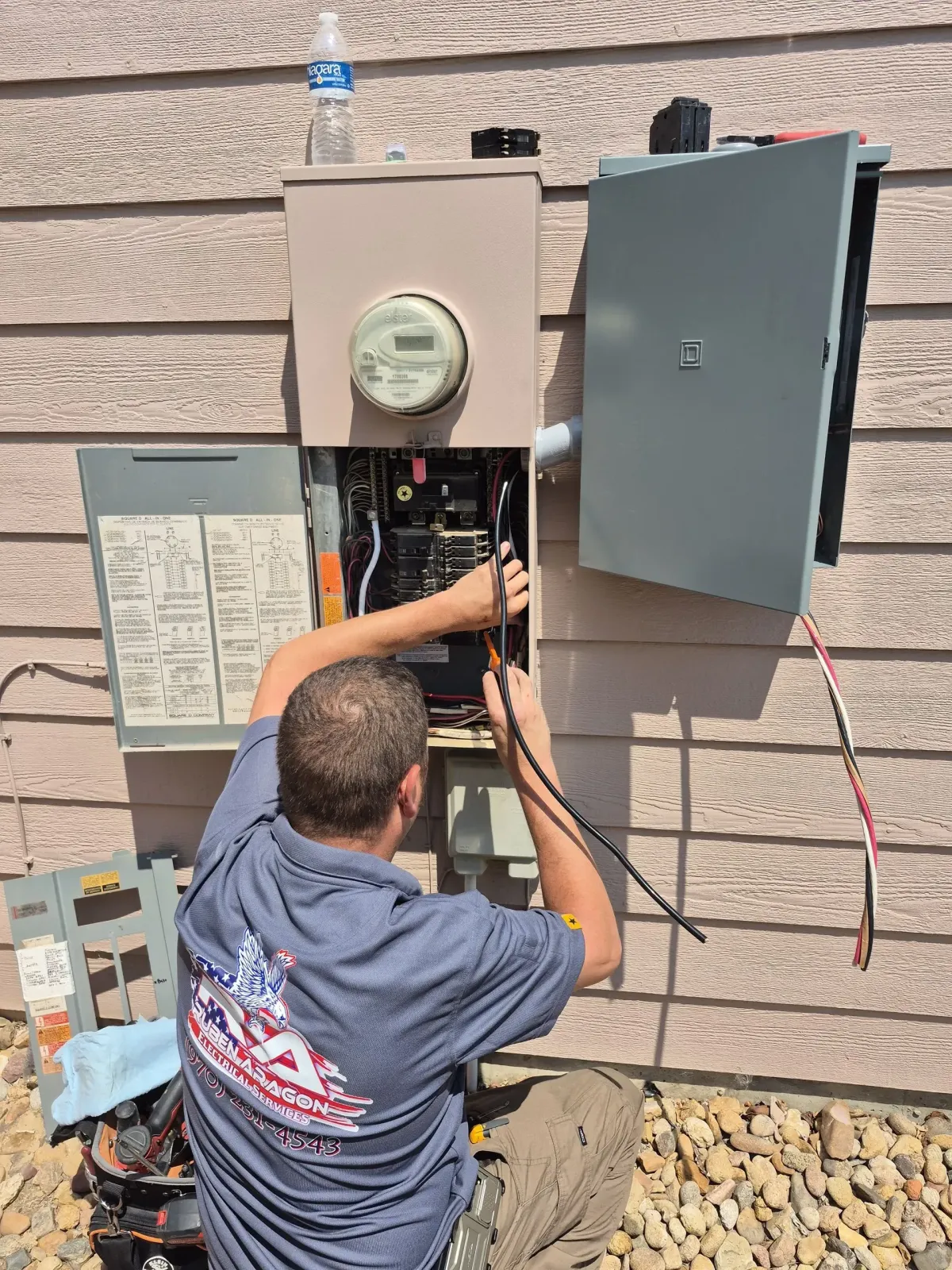
When it comes to electrical panel upgrades, Colorado homeowners need a trusted, experienced partner to ensure safety and reliability. Ruben Aragon Electrical Services LLC, based in Greeley, Colorado, brings over 20 years of hands-on experience in residential and commercial electrical services. Our team specializes in evaluating, upgrading, and maintaining electrical panels to meet modern safety standards and energy demands. We understand the unique challenges that Colorado homes face, from older wiring systems to increased power requirements for contemporary appliances and technologies.


Choosing Ruben Aragon Electrical Services LLC means working with licensed, skilled electricians who prioritize professionalism, quality, and customer satisfaction. We provide thorough inspections, personalized recommendations, and safe, code-compliant panel installations. Our expertise allows us to anticipate potential issues, offering proactive solutions that prevent costly repairs and enhance peace of mind. Whether upgrading a panel to accommodate new appliances or modernizing an outdated system, homeowners can trust our team to deliver efficient, reliable, and long-lasting electrical solutions. Protect your home and family by partnering with a company committed to excellence, safety, and decades of proven electrical experience.

Person in gloves using a screwdriver to work on electrical wiring in a panel.
January 29, 2026
Electricity powers modern homes, driving everything from lighting and appliances to heating, cooling, and communication systems. Despite its essential role, it is often one of the most overlooked aspects of home maintenance.
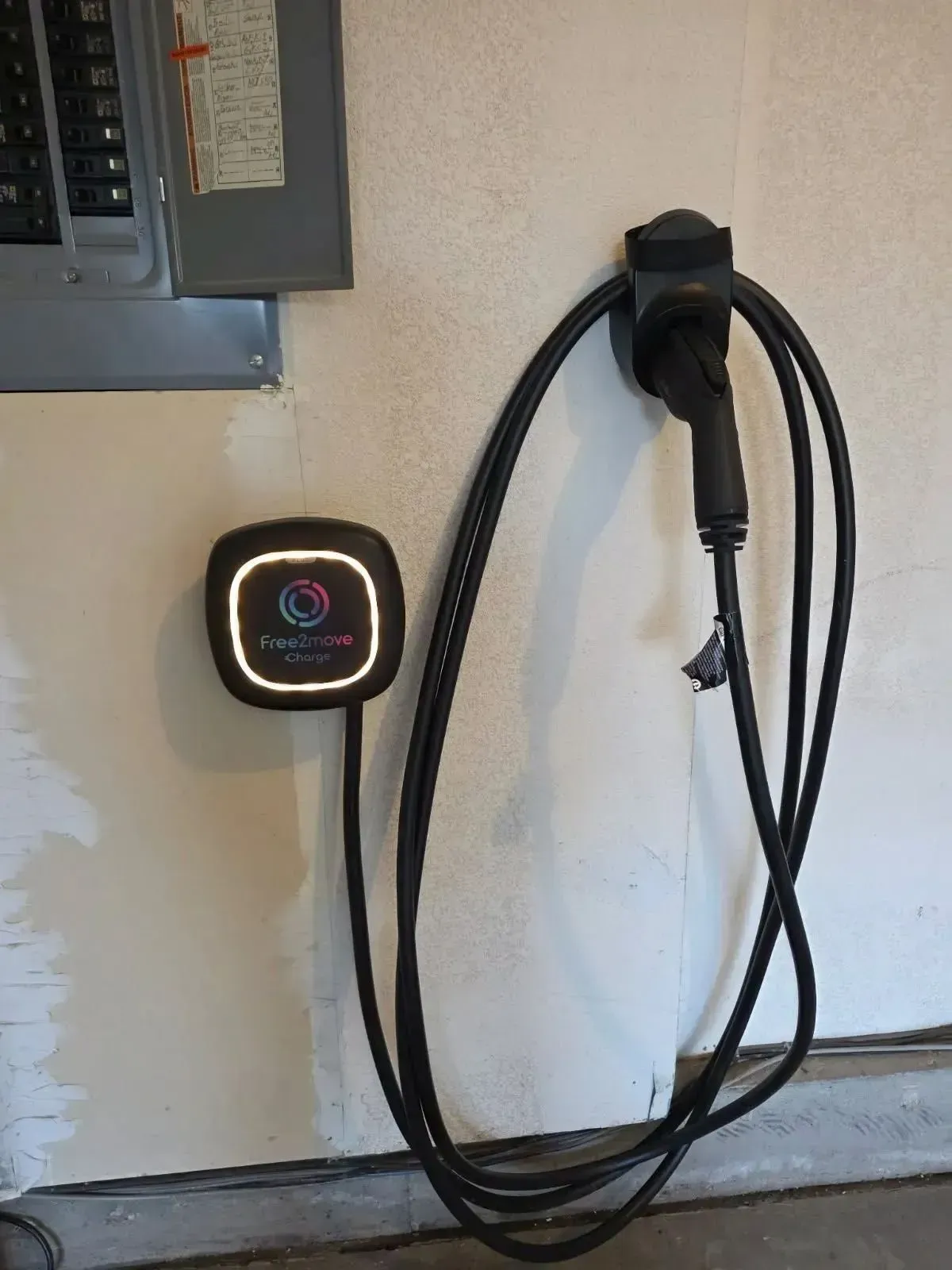
EV charger mounted on a wall with a looped black cable. The charger is plugged in.
January 29, 2026
As electric vehicles (EVs) rapidly become a mainstream choice for environmentally conscious drivers, the need for convenient home charging solutions has never been greater. Installing an EV charger at home offers unparalleled convenience, allowing you to charge your vehicle overnight without relying on public stations.
Person in gloves using a screwdriver to work on electrical wiring in a panel.
January 29, 2026
Electricity powers modern homes, driving everything from lighting and appliances to heating, cooling, and communication systems. Despite its essential role, it is often one of the most overlooked aspects of home maintenance.
EV charger mounted on a wall with a looped black cable. The charger is plugged in.
January 29, 2026
As electric vehicles (EVs) rapidly become a mainstream choice for environmentally conscious drivers, the need for convenient home charging solutions has never been greater. Installing an EV charger at home offers unparalleled convenience, allowing you to charge your vehicle overnight without relying on public stations.

Share this article