Common Residential Electrical Problems That Require a Master Electrician

January 29, 2026

Electricity powers modern homes, driving everything from lighting and appliances to heating, cooling, and communication systems. Despite its essential role, it is often one of the most overlooked aspects of home maintenance. Homeowners may notice subtle signs of electrical problems, such as flickering lights or tripped circuit breakers, and sometimes attempt to address these issues themselves. However, even seemingly minor electrical faults can escalate into significant hazards if not properly diagnosed and repaired. Understanding common residential electrical problems and knowing when to involve a master professional is critical to maintaining a safe, functional, and efficient home.


Electrical issues can be more complex than they initially appear. Problems such as outdated wiring, overloaded circuits, or faulty outlets often indicate deeper system deficiencies that require specialized knowledge and tools. A master electrician possesses the training, experience, and safety expertise to accurately assess and resolve these challenges. In addition to ensuring household safety, professional intervention can prevent property damage, improve energy efficiency, and extend the lifespan of electrical systems. This article explores some of the most frequent residential electrical problems, highlights the risks of DIY solutions, and provides guidance on when to call a professional for reliable, long-term solutions.

1. Frequent Circuit Breaker Trips

Understanding Circuit Overloads

Circuit breakers are critical safety devices designed to protect homes from excessive electrical currents that could cause fires or damage appliances. Frequent trips often indicate overloaded circuits or hidden electrical faults. Overloading happens when too many high-wattage devices run simultaneously on one circuit, exceeding its designed capacity. For instance, using a space heater, microwave, and washing machine at once can trigger repeated trips. Regular monitoring and proper usage prevent overload-related hazards.

Identifying Short Circuits

Short circuits occur when a hot wire contacts a neutral or ground wire, creating a sudden surge of electricity. They can result from damaged wiring, faulty outlets, or loose connections. Warning signs include sparks, burning smells, or sudden power loss. Short circuits are dangerous and can escalate quickly. Master electricians use specialized tools to locate faults, repair damaged wiring, and ensure circuits function safely, maintaining both appliance integrity and household safety.

Best Practices

To avoid frequent breaker trips, homeowners should limit the number of high-demand appliances on a single circuit. Dedicated lines for energy-intensive devices, such as ovens or heaters, help prevent overload. Routine electrical inspections by master electricians can identify weaknesses before serious problems occur. Following safety guidelines, using surge protectors, and maintaining proper wiring reduce hazards. Professional intervention ensures electrical systems operate reliably while extending their lifespan and improving overall household safety.

2. Flickering or Dimming Lights

  • Causes and Risks

    Flickering or dimming lights are common indicators of electrical issues ranging from minor loose bulbs to serious wiring problems. Loose connections in fixtures or outlets often cause brief flickers. However, widespread dimming may signal voltage fluctuations or overloaded circuits. Such issues can strain appliances, shorten their lifespan, and increase fire risks. Recognizing these early warning signs allows homeowners to act quickly, ensuring electrical systems remain safe and functional while preventing costly repairs.

  • Voltage Fluctuations Explained

    Voltage fluctuations happen when electrical supply to a home is inconsistent, often caused by oversized loads, outdated wiring, or utility service problems. These fluctuations can damage sensitive electronics, reduce energy efficiency, and increase electricity costs. Persistent voltage issues indicate deeper problems in the electrical system. Master electricians can assess load capacity, identify faulty wiring, and provide corrective solutions. Proper maintenance and upgrades stabilize voltage, protect devices, and ensure that electricity is delivered safely throughout the home.

  • Professional Intervention

    A master electrician can perform comprehensive load assessments and inspect wiring integrity. Solutions may include installing surge protectors, upgrading circuits, or dedicating specific lines for high-demand appliances. Prompt intervention prevents ongoing dimming, reduces wear on devices, and improves home safety. Professionals ensure that electrical systems comply with code requirements, operate efficiently, and avoid hazards. Timely repairs and upgrades maintain consistent lighting performance, enhance energy efficiency, and safeguard appliances from long-term damage caused by fluctuating power levels.

3. Outdated or Faulty Wiring

Risks of DIY Repairs

Attempting to repair or replace outdated wiring without professional expertise is extremely dangerous. Incorrect installation can lead to electrical shocks, fires, or additional system damage. Many homeowners underestimate the complexity of modern electrical systems, risking severe consequences. Master electricians have the knowledge, experience, and tools to safely perform wiring repairs. Professional intervention ensures compliance with current codes, reduces hazards, and provides peace of mind. DIY solutions often create more problems than they solve, jeopardizing home safety.

Upgrading Electrical Systems

Master electricians can thoroughly assess a home’s wiring and recommend upgrades that meet modern safety standards. Using code-compliant materials, professionals replace outdated wiring, improving capacity and efficiency. Upgraded electrical systems prevent frequent trips, reduce fire risks, and enhance appliance performance. Modern wiring also increases property value and supports energy-intensive devices. Homeowners benefit from safer, more reliable systems with reduced long-term maintenance needs. Professional upgrades ensure consistent electricity flow, protect residents, and create a foundation for future electrical improvements.

4. Electrical Shocks from Outlets or Appliances

  • Warning Signs of Electrical Faults

    Experiencing mild shocks when touching appliances or outlets signals serious electrical issues. Such shocks often result from poor grounding, damaged insulation, or faulty connections. Persistent or repeated shocks indicate underlying faults that require immediate attention. Ignoring these signs increases risks of severe injury or property damage. Master electricians can identify the source of shocks, evaluate electrical pathways, and perform targeted repairs. Early intervention safeguards residents while maintaining safe, reliable electrical operation throughout the home.

  • Understanding Grounding Issues

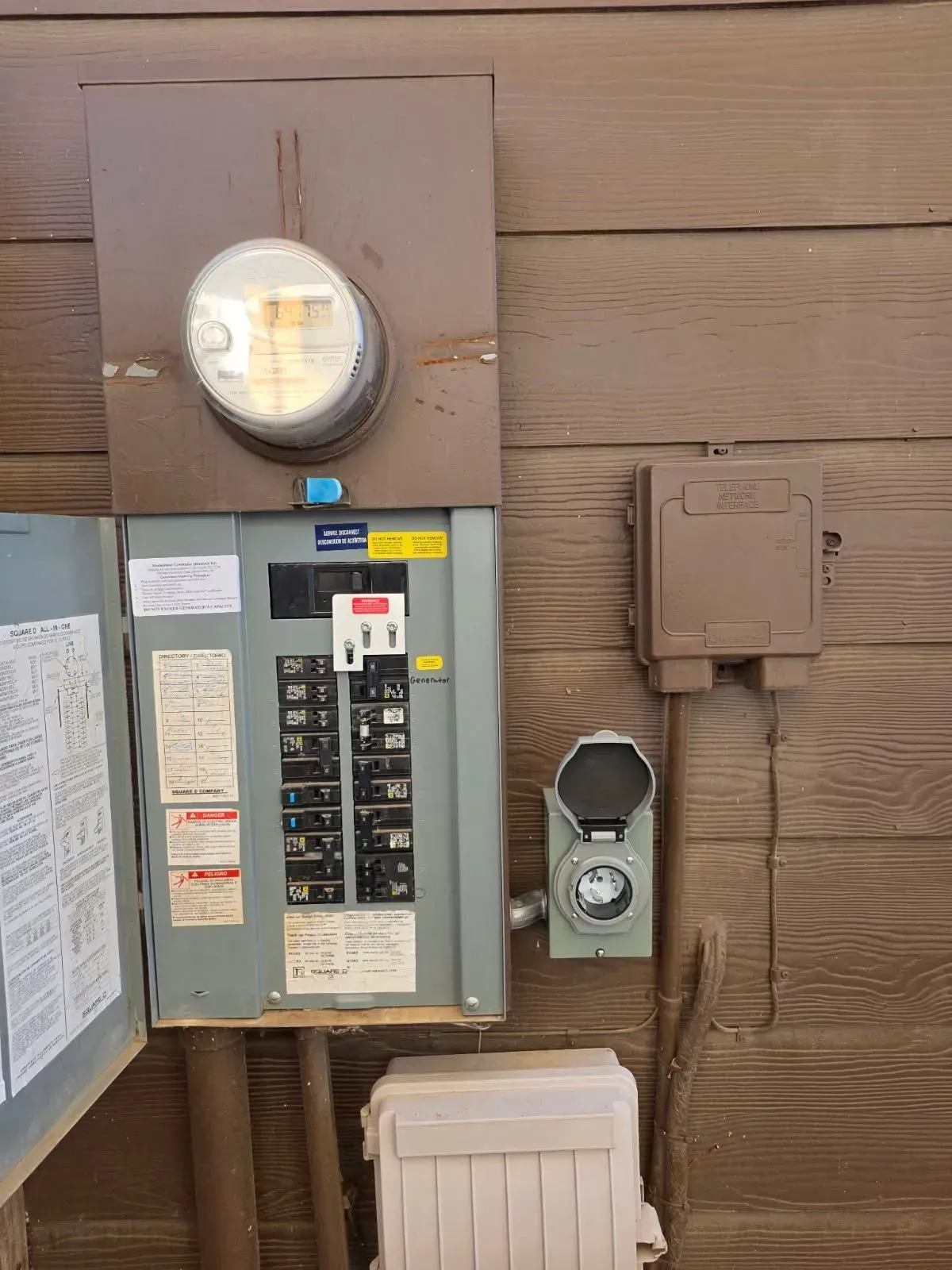
    Proper grounding directs excess electricity safely into the ground, protecting residents and appliances. Faulty grounding, caused by corroded wires, outdated systems, or improper installations, creates shock hazards. Grounding is especially important in kitchens, bathrooms, and outdoor areas exposed to moisture. Lack of adequate grounding increases the risk of electrical accidents. Master electricians test grounding systems, correct deficiencies, and install Ground Fault Circuit Interrupters (GFCIs) to enhance safety. Proper grounding ensures reliable operation and reduces the risk of injury or equipment damage.

  • Expert Resolution

    Master electricians have specialized tools to assess outlets, inspect grounding, and repair or replace damaged components. They can install GFCIs in high-risk locations to prevent shocks and enhance safety. Professional intervention ensures electrical systems comply with code requirements, protecting both residents and property. Addressing electrical shocks promptly prevents escalation into more severe hazards, including fires or equipment failure. Homeowners gain peace of mind, reliable electricity, and safe, code-compliant systems capable of supporting modern appliances and household needs.

5. Frequent Blown Fuses or Tripped GFCIs

Causes of Repeated Failures

Blown fuses and tripped GFCIs indicate overloaded circuits or ground faults, where electricity takes unintended paths to the ground. Causes include water exposure, damaged wires, or improper circuit design. Kitchens, bathrooms, and outdoor outlets are particularly vulnerable to ground faults. Frequent tripping signals stress within the electrical system and requires timely assessment. Ignoring these issues can result in shocks, appliance damage, or fire hazards. Identifying root causes ensures safe and reliable electricity flow throughout the home.

Risks and Implications

Persistent fuse or GFCI failures are inconvenient but indicate systemic problems. Ignoring repeated trips increases the likelihood of electrical fires, damaged appliances, and injury. Overloaded circuits or faulty wiring can worsen over time, making minor issues major hazards. Addressing repeated tripping promptly protects both residents and property, reducing risks. Master electricians can assess the system, pinpoint faults, and implement permanent solutions that restore reliability, safeguard equipment, and ensure the home’s electrical system operates efficiently under normal loads.

Professional Solutions

Master electricians inspect circuits, identify faults, and install upgraded fuses, breakers, or GFCIs. They ensure circuits are rated correctly for loads and protective devices function as intended. Professional intervention reduces fire hazards, prevents shocks, and prolongs appliance life. Electrical systems maintained by experts operate reliably and comply with safety codes, avoiding potential liabilities. Timely repairs and preventive measures create a stable, efficient system. Homeowners benefit from increased safety, enhanced energy management, and uninterrupted electrical service.

Trusted Professionals for Comprehensive Home Electrical Care

When it comes to ensuring electrical safety and efficiency, homeowners in Greeley, Colorado, can rely on Ruben Aragon Electrical Services LLC. With over 20 years of experience, our team of master electricians combines technical expertise, industry knowledge, and a commitment to safety to address every residential electrical challenge. From troubleshooting circuit issues and repairing faulty wiring to installing advanced safety systems, we provide comprehensive solutions tailored to each home’s unique needs. Our approach prioritizes thorough inspections, code-compliant repairs, and preventive maintenance to safeguard both your property and family.


Trust and professionalism define our service. We understand the complexities of modernresidential electrical systems  and consistently deliver accurate diagnostics, reliable repairs, and durable upgrades. Homeowners can have confidence that every project is completed with precision, transparency, and a focus on long-term results. Choosing Ruben Aragon Electrical Services LLC means partnering with a proven, dependable authority in residential electrical solutions, ensuring peace of mind and a safe, fully functional home for years to come.

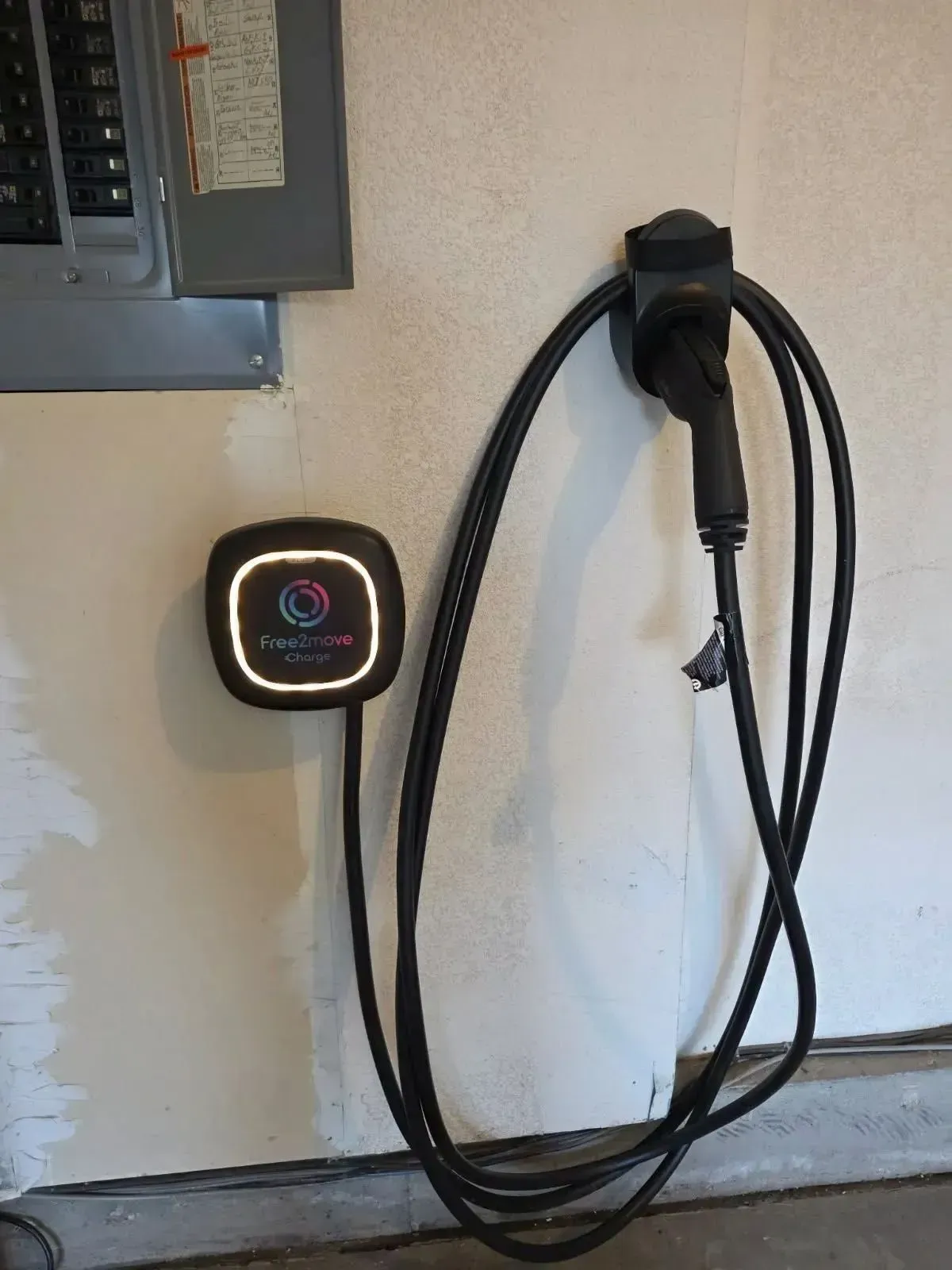
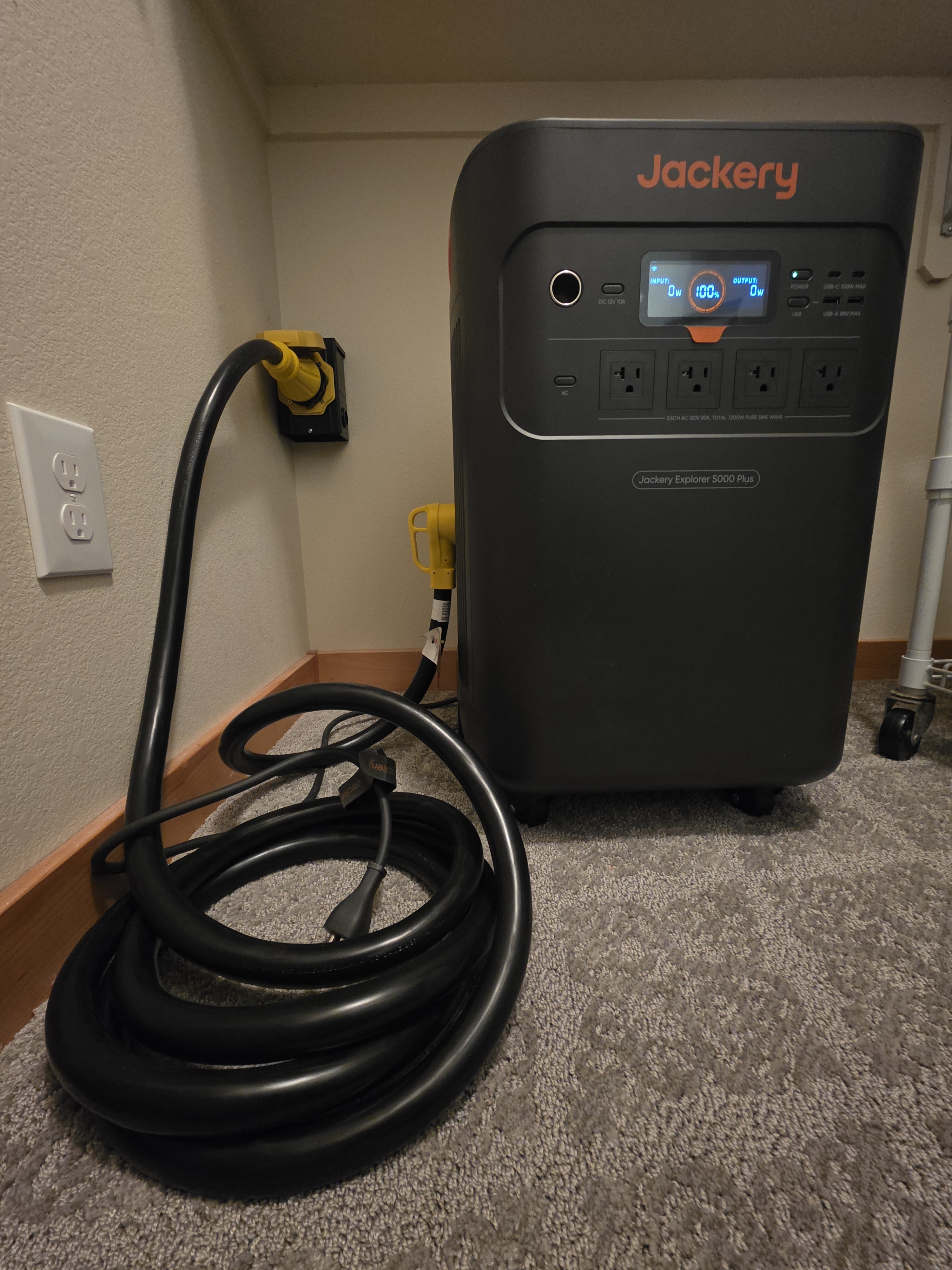
EV charger mounted on a wall with a looped black cable. The charger is plugged in.
January 29, 2026
As electric vehicles (EVs) rapidly become a mainstream choice for environmentally conscious drivers, the need for convenient home charging solutions has never been greater. Installing an EV charger at home offers unparalleled convenience, allowing you to charge your vehicle overnight without relying on public stations.
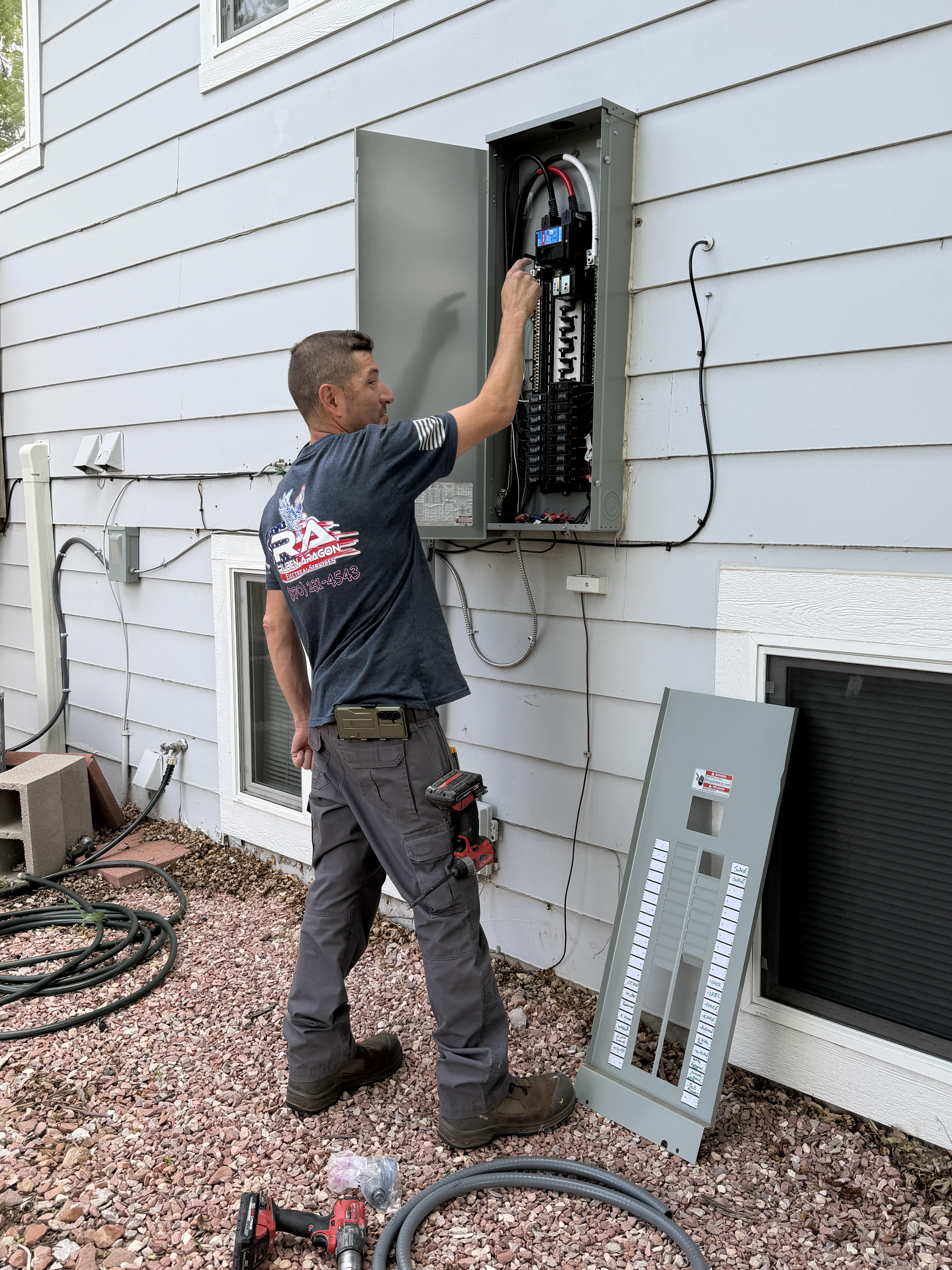
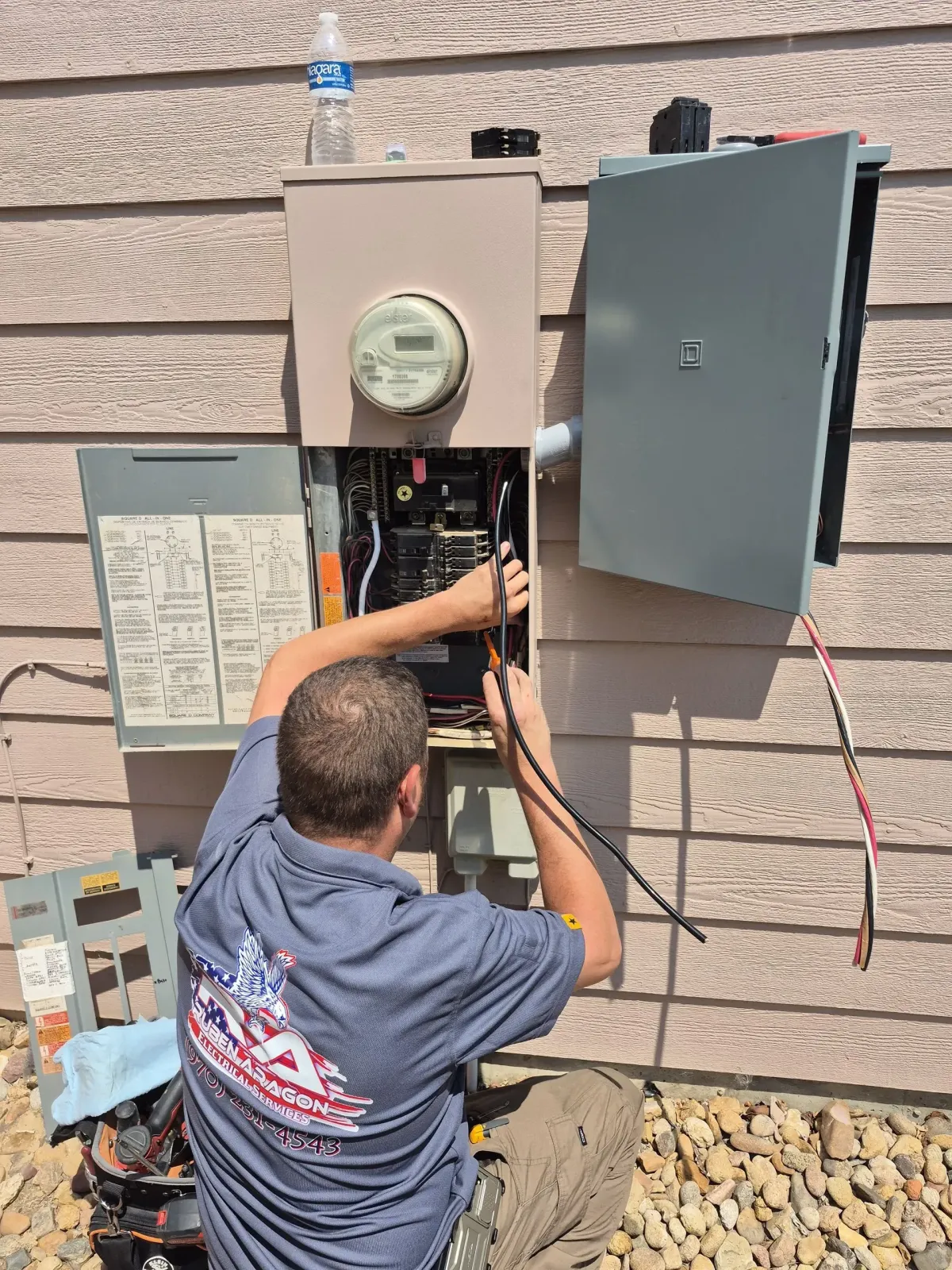
Electrician working on electrical panel mounted on a building's exterior.
January 29, 2026
Electrical panels are the heart of any home’s electrical system, distributing power safely to every outlet, light fixture, and appliance. Despite their critical role, many homeowners overlook the condition of their panels, often unaware that outdated or overburdened systems can pose serious safety risks.
EV charger mounted on a wall with a looped black cable. The charger is plugged in.
January 29, 2026
As electric vehicles (EVs) rapidly become a mainstream choice for environmentally conscious drivers, the need for convenient home charging solutions has never been greater. Installing an EV charger at home offers unparalleled convenience, allowing you to charge your vehicle overnight without relying on public stations.
Electrician working on electrical panel mounted on a building's exterior.
January 29, 2026
Electrical panels are the heart of any home’s electrical system, distributing power safely to every outlet, light fixture, and appliance. Despite their critical role, many homeowners overlook the condition of their panels, often unaware that outdated or overburdened systems can pose serious safety risks.

Share this article